

Last update Thursday, 28 May, 2026
✡️ Don Samuel Abravanel: Power, Finance and Jewish Memory in Medieval Seville
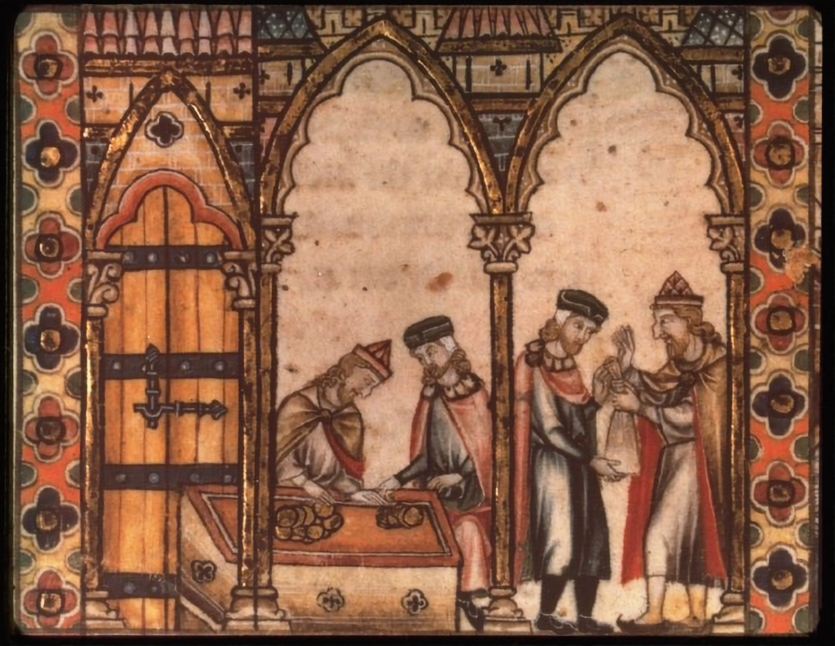
On our Jewish Quarter tours in Seville, as well as our routes focused on conversos and the relationship between power, religion and economy in medieval Castile, we often stop to discuss a fascinating and complex figure: Don Samuel Abravanel, one of the most influential personalities in 14th-century Seville.
Belonging to the powerful Abravanel family —also known as the Abarbanels— he was born in Seville and became one of the great trusted men of the Castilian monarchy during the Trastámara dynasty.
💡 Key ideas
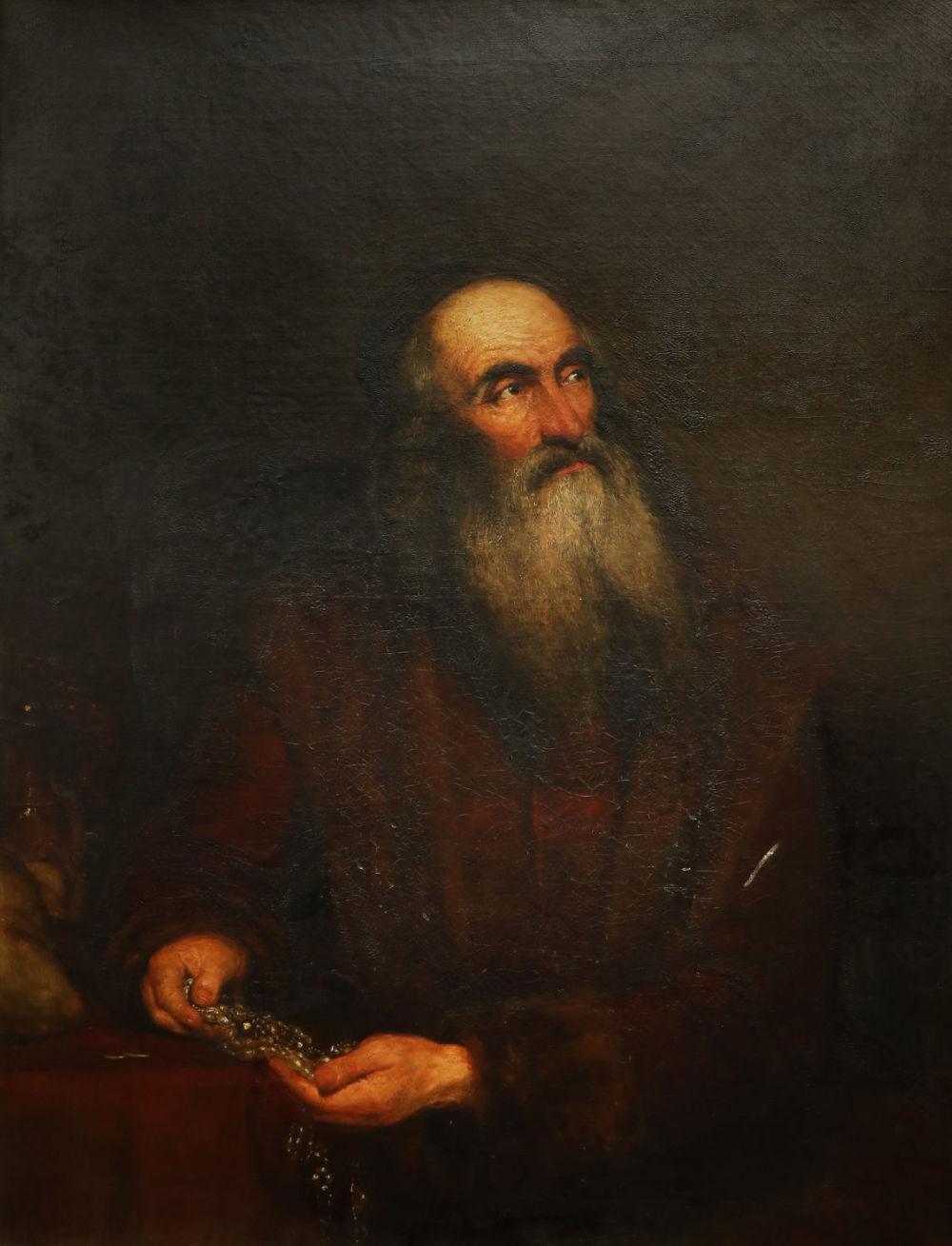
✡️ Samuel Abravanel was an important Jewish financier from 14th-century Seville.
🏛️ He served the Castilian monarchy in highly significant economic and administrative positions.
✝️ He converted to Christianity under the name Juan Sánchez de Sevilla.
⚔️ His life unfolded within the tensions that would eventually lead to the crisis of 1391.
📜 His family, the Abravanels, continued to play a major role in Sephardic history, especially through Don Isaac Abravanel.
🏛️ A Jew at the heart of Castilian power
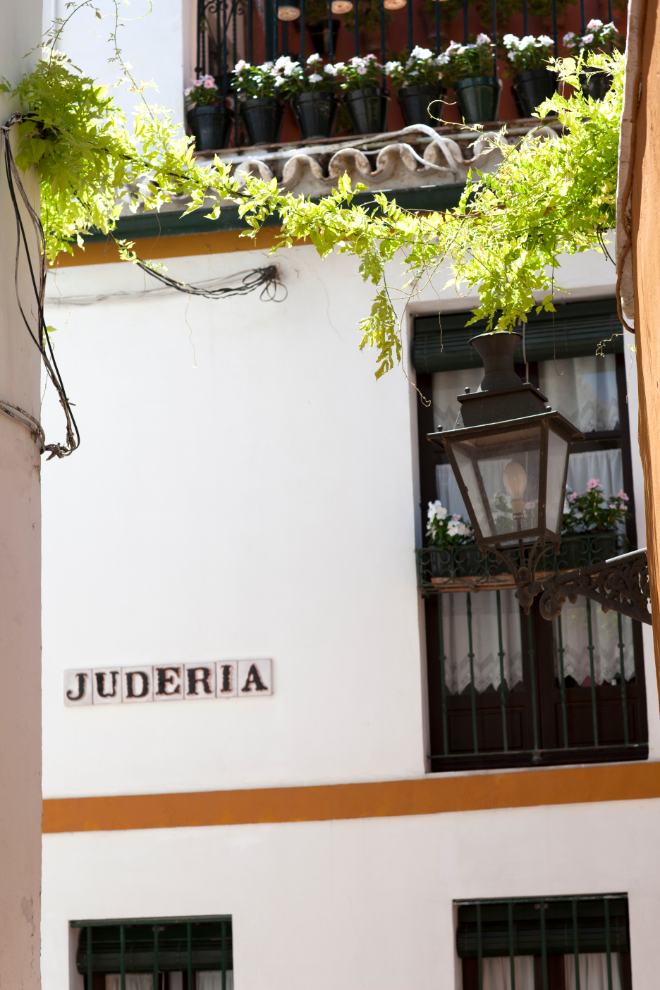
Don Samuel Abravanel developed a brilliant political and financial career in the service of the kings of Castile. His rise began during the reign of Henry II and culminated under John I and Henry III, eventually occupying positions of enormous importance such as:
- 📜 Chief accountant of the king
- 💰 Chief treasurer in Andalusia
- 👑 Treasurer of the queen
He was one of those men capable of moving between administration, finance and diplomacy, at a time when many prominent Jews performed essential roles for the royal treasury.
Medieval chronicles highlight both his wealth and his intelligence and education. Historian José Amador de los Ríos stated that he enjoyed “the highest consideration, both for his riches and for his intellect and knowledge.”
📚 Protector of rabbis and scholars
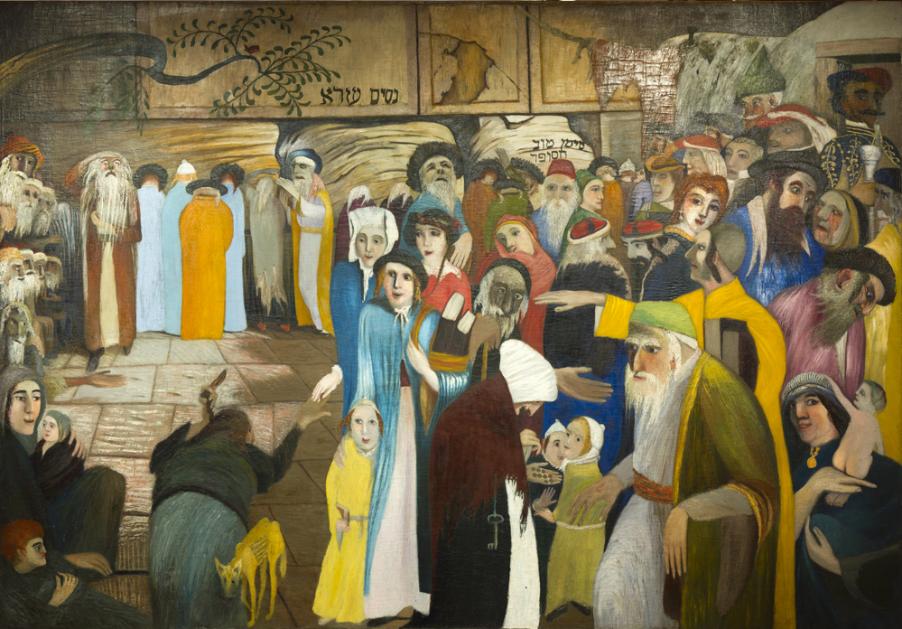
Before converting to Christianity, Don Samuel was also known as a protector of Jewish intellectuals and Torah scholars.
During the violent anti-Jewish persecutions that accompanied the civil war between Peter I and Henry of Trastámara, he helped many Jews escape and find refuge.
Among them was the famous rabbi Menahem ben Zerah, who described Samuel Abravanel as a man “intelligent, a friend of the rabbis, whom he protects and benefits.”
This aspect of his life is especially interesting because it allows us to understand the complexity of courtly Judaism in medieval Castile: highly educated and refined men deeply integrated into royal administration, yet increasingly exposed to the religious and social tensions of their time.
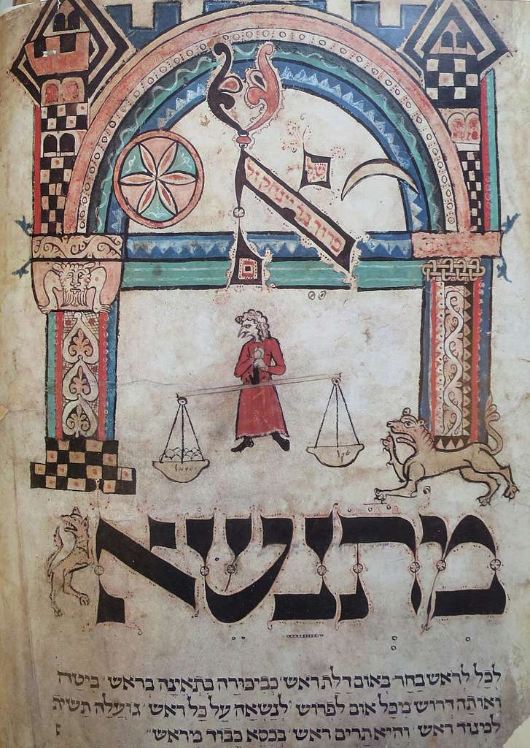
✝️ Conversion: Juan Sánchez de Sevilla
At some point before the dramatic pogroms of 1391, Samuel Abravanel decided to convert to Christianity and adopt the name Juan Sánchez de Sevilla.
Historians still debate the exact reasons for his conversion:
- ⚖️ Personal conviction?
- 🏰 Political ambition?
- ⚠️ Fear of the growing anti-Jewish climate?
- 👥 Isolation within his own community?
It was probably a mixture of all these factors. What is certain is that his conversion allowed him to preserve part of his influence at court, while also symbolising the beginning of a very difficult era for the Jews of Seville and Castile.
Many scholars believe that figures like him perceived earlier than others the danger approaching the Jewish communities of Castile.
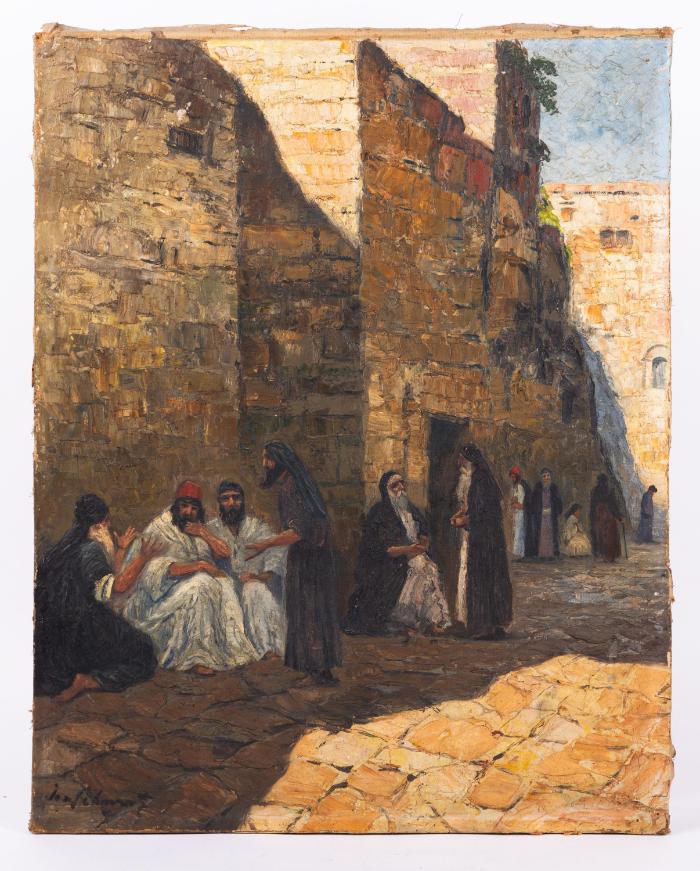
⚔️ Seville and the crisis of 1391
When we speak about Don Samuel Abravanel during our tours, we also explain the broader context of late 14th-century Seville:
- ⚔️ Social tension
- ⛪ Anti-Jewish preaching
- 🏰 Political struggles
- 🔥 Growing hatred against the Jewish aljamas
All of this culminated in the terrible events of 1391, one of the most dramatic episodes in the city’s history, involving assaults, forced conversions and the practical destruction of Seville’s medieval Jewish quarter.
The figure of Juan Sánchez de Sevilla represents precisely that historical frontier between two worlds: the brilliant medieval Judeo-Spanish culture and the birth of the converso phenomenon in late medieval Seville.
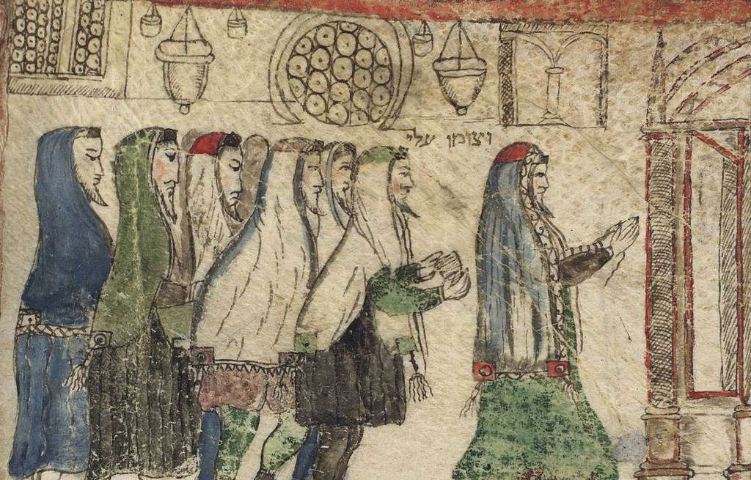
🌍 The Abravanels: from Seville to Portugal and back to Castile
The story of the Abravanels did not end with Samuel. His family would continue to occupy a fundamental place in Sephardic memory.
After the persecutions of 1391 and the conversion of the family patriarch, Samuel Abravanel, who took the name Juan Sánchez de Sevilla, the family is believed to have left Seville for Portugal. There, over time, some of his descendants also achieved prominent positions.
One of the most important names was Don Isaac Abravanel, a great financier, politician, thinker and key figure in late 15th-century Sephardic Judaism.
👑 Don Isaac Abravanel and the return to Castile
Don Isaac Abravanel and his family arrived in Castile as fugitives from Portuguese justice. King John II of Portugal suspected that Isaac might be involved in a political operation aimed at replacing the House of Avis with the House of Braganza.
The family’s escape somehow completed a historical circle: the Abravanels had left Seville for Portugal after the tragedy of 1391, and decades later they returned to Castile in a context of new political and religious tensions.
According to the route indicated by historian Francisco Cantera, the refugees led by Don Isaac crossed the border from Portugal and first settled in Segura de León, in lands belonging to the Order of Santiago.
This area was relatively close to the Portuguese border and well connected with places such as Lisbon, Évora, Badajoz, Mérida, Cáceres and Plasencia, all of which had important Jewish communities.
📜 The Abravanels before the Catholic Monarchs
The Catholic Monarchs met Don Isaac Abravanel in March 1484, in Tarazona. There he appears accompanied by his nephew and son-in-law Yose, steward of the Duke of Viseu.
We do not know with certainty who facilitated the contact between the Crown and the Abravanel family. Some scholars have suggested that Abraham Senior, another major Jewish figure of 15th-century Castile, may have introduced Isaac into the world of tax farming and royal financial administration.
What is particularly interesting is that this contact occurred at a time of growing pressure against Jewish communities: segregation of neighbourhoods, compulsory badges, partial expulsions and an increasingly hostile climate that would eventually culminate in the general expulsion of 1492.
🏘️ The legacy of the Abravanels in Seville
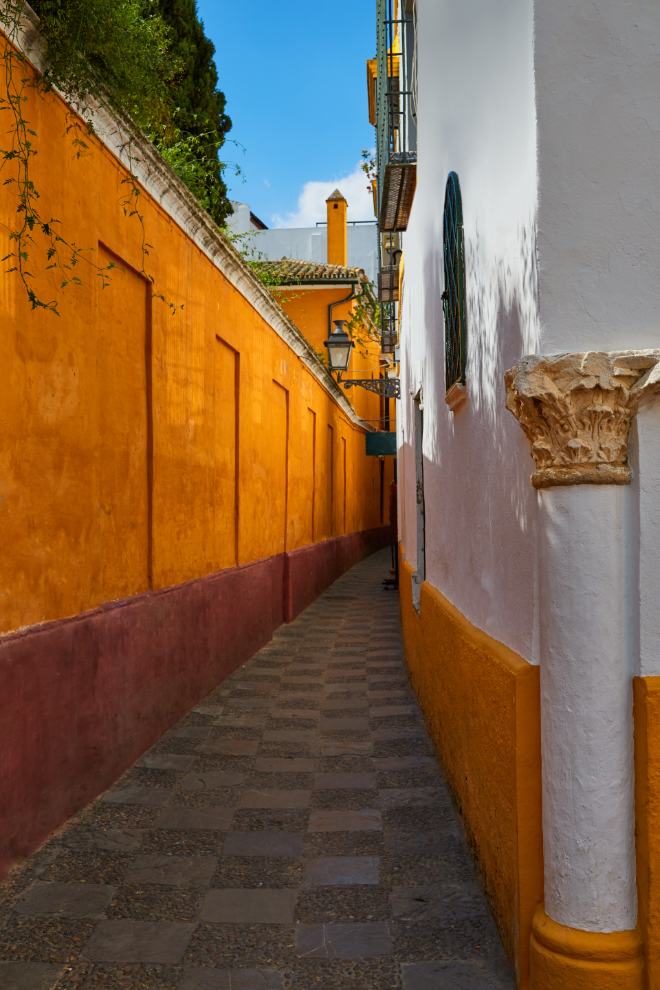
Although much of Jewish Seville disappeared after the persecutions and later urban transformations, it is still possible to explore places connected with that world:
- 🏘️ The old Jewish Quarter
- 📍 Areas near Santa Cruz
- 🏛️ Spaces linked to royal administration
- ✡️ Places associated with important Hebrew families connected to the Crown
On our guided tours, we try to reconstruct that lost Seville, filled with merchants, financiers, rabbis, translators and courtiers who made the city one of the great cultural centres of medieval Castile.
🎙️ A key figure in our historical tours
The story of Don Samuel Abravanel / Juan Sánchez de Sevilla, and his family connection with Don Isaac Abravanel, helps us better understand:
- ✡️ The life of medieval Jewish communities
- 🤝 Coexistence and its limits
- ⚖️ Religious and social tensions
- 🏛️ The rise of minorities within royal administration
- ✝️ The converso phenomenon
- 🌍 The great Sephardic diaspora
- 📜 The transformation of Seville between the 14th and 15th centuries
He is one of those figures who show how the history of Seville is filled with nuances, contradictions and extraordinary lives. For this reason, on our Jewish Quarter tours in Seville, we often present him as an example of the complex relationship between Jewish memory, political power, economy and conversion.
📩 Would you like to explore Jewish Seville?
If you would like to take a tour about the Jewish Quarter of Seville, the history of the conversos, the Abravanels or medieval Seville, feel free to contact us and we will prepare a private route adapted to your interests.
Email: info@visitarsevilla.com


Leave a Comment