

Last update Thursday, 28 May, 2026
✡️ Jews and the Inquisition in Seville
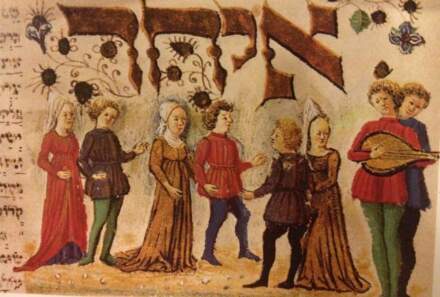
The history of Seville cannot be understood without the presence of its Jewish community. For centuries, the city had one of the most important Jewish quarters in the Iberian Peninsula, formed by merchants, physicians, artisans, intellectuals, financiers, translators and families who played an active role in the economic and cultural life of the city.
However, between the late 14th and the 15th centuries, the situation changed dramatically. Anti-Jewish persecutions, forced conversions and the later establishment of the Inquisition transformed the lives of thousands of Sevillian families.
The Seville of the Inquisition became a city marked by fear, suspicion and religious surveillance, especially towards the so-called conversos or New Christians, descendants of baptised Jews who were often accused of preserving religious or family practices linked to Judaism.
⚖️🔥 Key points about the Inquisition and the Jews in Seville
- ✡️ A major Jewish community – Seville had one of the most important Jewish quarters in Castile, especially active in trade, finance, medicine, crafts and culture.
- ⚠️ Conversos under suspicion – After the mass conversions of the 14th century, many New Christians were accused of secretly practising Judaism.
- ⛪ The arrival of the Inquisition – The Holy Office was established in Seville from 1481 and turned the city into one of its main centres of activity.
- 🏰 Castle of San Jorge – The Sevillian headquarters of the Inquisition were located in Triana, where trials, interrogations, imprisonments and confiscations were organised.
- 📜 “Judaizing” practices – Family, dietary, funerary or religious customs connected with Jewish tradition were persecuted.
- 👀 Denunciations and surveillance – Neighbours, servants, relatives or personal enemies could report behaviours considered suspicious.
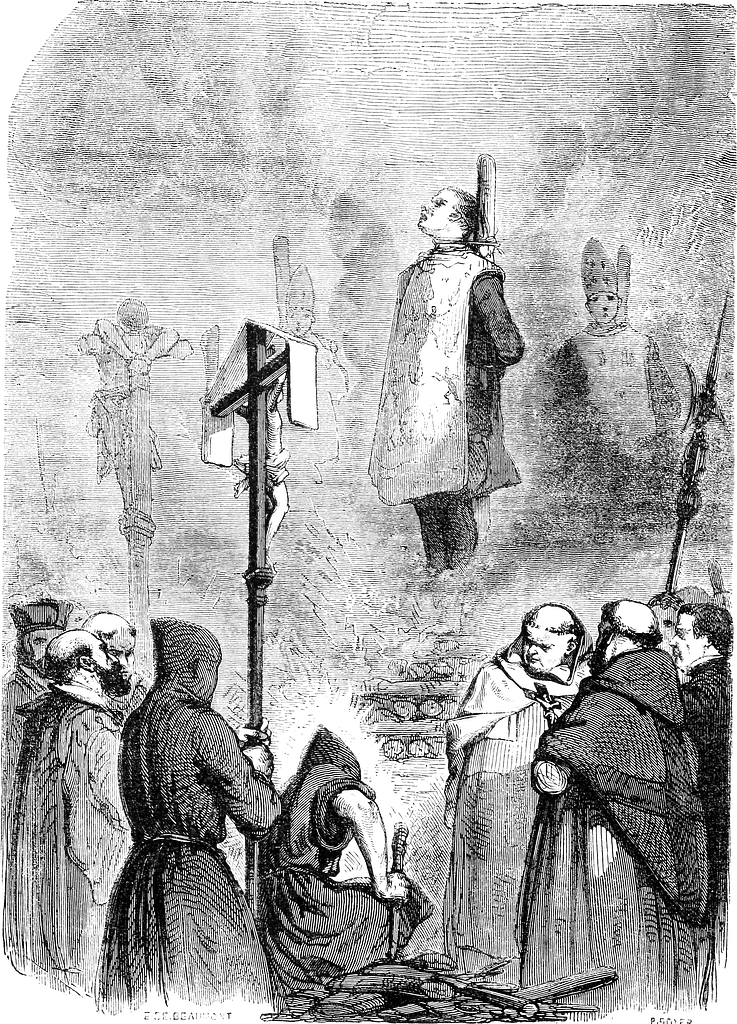
- 🔥 Autos-da-fé and punishments – Many accused people were publicly punished, imprisoned, stripped of their property or sentenced to death.
- 💰 Confiscation of goods – Persecution also had a strong economic dimension, as the property of the condemned could be seized.
- 🌍 Historical impact – The Inquisition caused social fear, emigration, loss of family heritage and deep cultural consequences for Seville.
The history of the Inquisition in Seville reflects one of the most complex and controversial chapters in Spanish history.
-
🔴 Discover Jewish Seville and the history of the Inquisition
- ✡️🏛️ Route through the old Jewish quarter of Seville Discover ancient synagogues, medieval streets, legends and places connected with Seville’s Jewish community.
- ⚖️🔥 Tours about the Inquisition We organise specialised tours about conversos, autos-da-fé, the Castle of San Jorge, inquisitorial repression and the Jewish memory of Seville.
- 👨🏫✨ Private tours and groups We adapt the itinerary for cultural travellers, schools, universities, associations and groups interested in the medieval history of Seville.
- 📩💬 Information and bookings You can contact us by email 📧 or WhatsApp 💬.
🏛️ The great Jewish quarter of Seville
During the Middle Ages, Seville was home to one of the most important Jewish communities in the Iberian Peninsula. Its presence was essential to the urban, economic and cultural life of the city.
The Jewish quarter of Seville occupied a large area around today’s districts of:
- 📍 Santa Cruz
- 📍 San Bartolomé
- 📍 Santa María la Blanca
- 📍 areas close to the Alcázar and the old city wall
The Jewish community played an active role in many areas:
- 💰 finance, loans and tax administration
- 🧵 crafts, trade and urban professions
- 📚 medicine, translation and written culture
- 🏛️ management of rents and relations with the Crown
- 🌍 commercial networks with other Iberian and Mediterranean cities
Medieval Seville was a city of enormous cultural richness, where Christians, Muslims and Jews coexisted. This coexistence, however, was not always peaceful or equal. Religious, economic and social tensions grew until they led to episodes of great violence.
⚠️ Persecutions and the birth of the converso problem
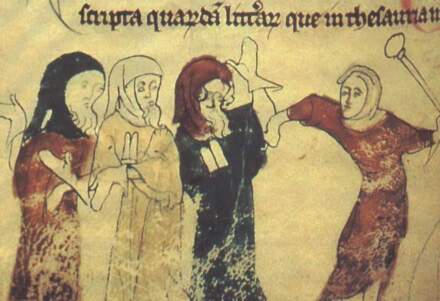
One of the great turning points was the anti-Jewish violence of 1391. After those events, much of Seville’s Jewish community disappeared, fled or converted to Christianity.
A social group then emerged that is essential for understanding Seville in the 15th and 16th centuries: the conversos, also known as New Christians.
- ✝️ Jews baptised after the persecutions.
- 📜 Families of Jewish origin officially integrated into Christian society.
- 👨👩👧 Descendants of former Jews who, in some cases, preserved family memories of their origins.
- ⚠️ People subjected to suspicion by social and religious sectors.
Many conversos came to occupy prominent positions in Sevillian society:
- 🏛️ officials and administrative posts
- 💰 merchants and financiers
- 📚 intellectuals, physicians and jurists
- ⚖️ professionals linked to administration
- 💎 families with wealth and social influence
Precisely this social rise fuelled mistrust, rivalries and suspicion. The accusation of “Judaizing”, that is, secretly continuing to practise Judaism, became a religious, social and also political weapon.
The figure of the converso deeply shaped Sevillian society at the end of the Middle Ages and the beginning of the Early Modern period.
⛪ The arrival of the Inquisition in Seville
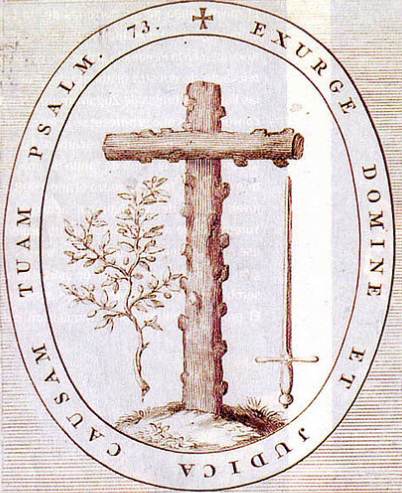
The modern Inquisition was promoted by the Catholic Monarchs at the end of the 15th century. Its official aim was to persecute heresy and guarantee religious orthodoxy within the territories of the Crown.
In practice, one of its main targets was conversos suspected of secretly maintaining Jewish customs.
Seville quickly became one of the main inquisitorial centres in Castile. The city was large, wealthy, influential and had a significant converso population, which made it a key setting for the new tribunal.
The establishment of the Holy Office was not without resistance. Part of society distrusted its power, its procedures and the threat it represented for influential families. However, the support of the monarchy allowed it to consolidate its authority.
The Inquisition operated through a system based on:
- 📜 secret denunciations
- 🔒 preventive arrests
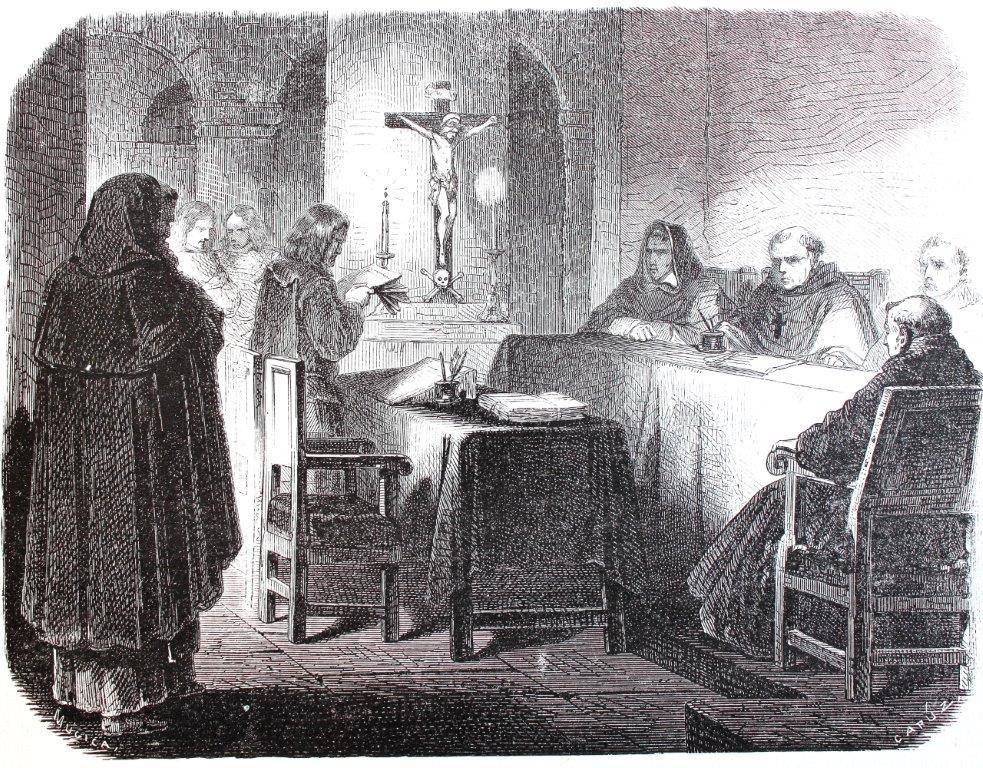
- ⚖️ interrogations
- ⛓️ psychological pressure and torture in certain cases
- 🔥 autos-da-fé
- 💰 confiscation of property
The fear of denunciation became part of everyday life for many Sevillian converso families.
🏰 The Castle of San Jorge: the Sevillian headquarters of the Holy Office
The inquisitorial headquarters in Seville were established in the Castle of San Jorge, located in Triana, beside the Guadalquivir River.
The castle, originally a defensive structure, became one of the most feared symbols of inquisitorial Seville. Investigations, imprisonments, interrogations and trials related to suspected heresy took place there.
From this place, the authorities organised:
- ⚖️ inquisitorial trials
- 🔒 prisons and spaces of confinement
- 📜 reception of denunciations
- 👥 interrogations of accused people and witnesses
- 🔥 preparation of sentences and autos-da-fé
The Castle of San Jorge became associated for centuries with fear, silence and religious surveillance. For many converso families, Triana was not only a popular neighbourhood by the river, but also the place where a family tragedy could begin.
📜 How did the Inquisition “detect” Judaizers?
The Inquisition did not mainly persecute Jews as a legally Jewish community, but above all conversos suspected of returning to Jewish practices after baptism.
To do so, it watched many gestures of everyday life. Some domestic, dietary or family customs could become signs of hidden Judaism.
🔥 Signs that could arouse suspicion
- 🕯️ Lighting candles on Friday night – This could be interpreted as observance of the Sabbath.
- 🔥 Not lighting fire on Saturday – It was considered a possible sign of respect for Sabbath rest.
- 🥩 Not eating pork – Abstaining from pork could immediately raise suspicion.
- 🍞 Separating part of the bread dough – Some domestic practices related to bread were viewed with distrust.
- 🥬 Eating bitter herbs at Passover – Customs associated with Jewish Passover could be denounced.
- 📅 Fasting on Hebrew dates – Certain fasts were interpreted as loyalty to the Jewish calendar.
- 📖 Reciting psalms without Christian formulas – The way people prayed could also become suspicious evidence.
- 👶 Giving Hebrew names or practising circumcision – These were considered especially serious signs by inquisitors.
- 🧼 Ritually washing the dead – Some funerary rites were watched as signs of secret Judaism.
- 🐟 Eating fish or olives as a sign of mourning – Certain mourning customs could also be interpreted as suspicious.
Surveillance reached the most intimate details of the home: food, mourning, rest, children’s names, ways of praying and ritual cleansing.
In many cases, these customs may have been family traditions preserved through habit, memory or cultural identity. But for the tribunal, they could become evidence of apostasy.
The domestic life of conversos was subjected to constant surveillance.
👀 Denunciations, rumours and personal enmities
One of the most disturbing aspects of the inquisitorial system was the importance of denunciation.
Denunciations could come from:
- 🏠 neighbours
- 👩🍳 servants
- 👨👩👧 relatives
- 💼 commercial rivals
- ⚖️ personal enemies
- ⛪ people motivated by religious zeal
The accused often did not know the identity of the person who had reported them. This made defence very difficult and encouraged abuses, personal revenge and economic rivalries.
A wealthy, influential or socially rising family could easily become the target of suspicion. The accusation of Judaizing was not only religious: it could destroy reputations, fortunes and entire family lineages.
The fear of speaking, celebrating, cooking or even preserving certain family customs marked the lives of many conversos.
⛓️ Interrogations, prisons and confessions
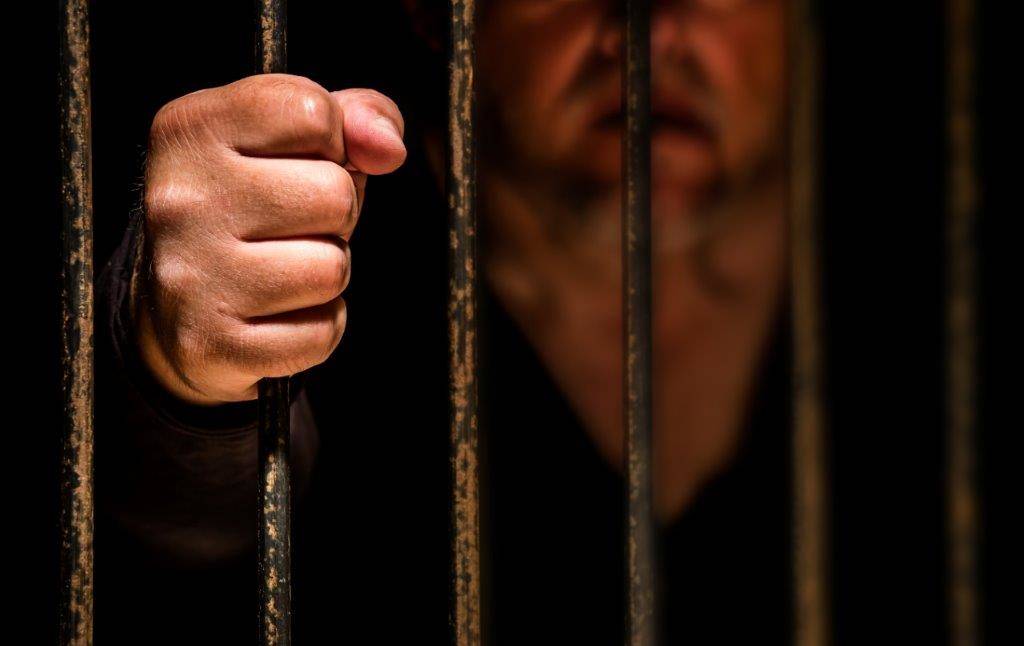
Once a trial had begun, the accused could be arrested and taken to an inquisitorial prison. There they remained isolated, often without clearly knowing the accusations or the identity of the witnesses.
The tribunal sought confession. In some cases, physical or psychological pressure was applied, including torture, in order to obtain statements.
The problem was that confession, even when obtained under suffering, could become the main evidence in the trial.
- 🔒 isolation
- 📜 repeated interrogations
- ⚖️ pressure to confess
- ⛓️ torture in certain proceedings
- 👥 obligation to denounce other possible accomplices
In this way, a single case could spread to relatives, friends, neighbours or members of the same converso social network.
🔥 Autos-da-fé and public punishments
Autos-da-fé were public ceremonies in which sentences were read and the power of the Holy Office was displayed.
Not all condemned people ended up at the stake. Punishments could vary greatly depending on the accusation, confession, repentance and the seriousness attributed to the case.
Some condemned people received:
- ⚠️ public penances
- ⛓️ imprisonment
- 💰 confiscation of property
- 🚫 loss of rights and offices
- 👕 wearing of the sambenito
- 🔥 death sentence in the most serious cases
Punishments did not affect only the accused. They could also stain the memory of an entire family and harm descendants, heirs and relatives.
The Inquisition punished bodies, property and family memory.
💰 The economic dimension of persecution
The Inquisition was not only a religious instrument. It also had a very important economic dimension.
Confiscations could include:
- 🏠 houses and urban properties
- 🏪 businesses and shops
- 💎 jewellery and valuable objects
- 💰 money and rents
- 📦 merchandise and family goods
For many converso families, an inquisitorial trial could mean complete ruin. Even those who saved their lives could lose their property, reputation and social position.
This economic aspect partly explains why certain wealthy conversos were especially vulnerable to persecution.
🌍 Consequences for Seville
The persecution of Jews and conversos profoundly transformed Seville.
The city lost part of:
- 📚 its intellectual richness
- 💰 its economic dynamism
- 🌍 its commercial networks
- 🏛️ its cultural diversity
- 👨👩👧 the memory of many families
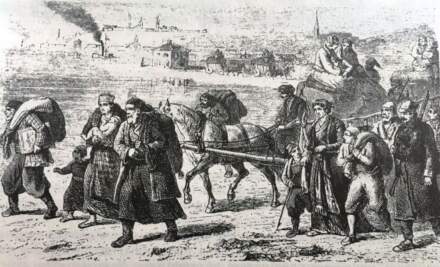
Many families emigrated to other territories:
- 🌍 Portugal
- 🌍 North Africa
- 🌍 Italy
- 🌍 the Ottoman Empire
- 🌍 other Mediterranean ports
Others remained in Seville, hiding their family origins for generations. In some cases, surnames, marriages, professions and domestic memory were shaped by the need to erase any suspicious trace.
✡️ The Jewish legacy in Seville today
Despite the persecutions, the memory of Jewish Seville remains very present in the city.
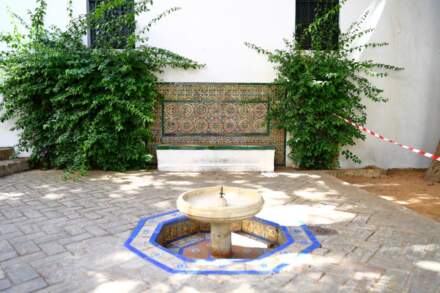
Streets, churches built over former synagogues, legends, historical documents, urban remains and local traditions still recall the importance of Seville’s Jewish community.
The history of Jews and the Inquisition in Seville helps us understand:
- ⚖️ medieval religious tensions
- 🏛️ the construction of royal power under the Catholic Monarchs
- 🌍 the cultural complexity of the city
- ✡️ the historical importance of the Jewish community
- 🔥 the social fear generated by religious suspicion
- 📜 the birth of the converso problem
Today, walking through the old Jewish quarter of Seville is also a way of approaching a fundamental part of the city’s historical memory. It means walking through a city where cultures once lived side by side, but also where intolerance left deep wounds.
The Inquisition forms part of this uncomfortable but necessary memory. It helps us understand the historical evolution of Seville, the disappearance of its great medieval Jewish community and the complex identity of many converso families who lived between silence, fear and survival.
📌 Final key ideas
- ✡️ Seville had one of the most relevant Jewish communities in Castile.
- ⚠️ After 1391, many Jews converted to Christianity and became known as conversos.
- ⛪ The Inquisition focused especially on monitoring New Christians suspected of Judaizing.
- 📜 Domestic, dietary and funerary customs could be used as signs of hidden Judaism.
- 🏰 The Castle of San Jorge was one of the great symbols of the Holy Office in Seville.
- 💰 Confiscations of property had an enormous social and economic impact.
- 🌍 Persecution forever transformed the cultural, urban and family life of Seville.
🔎 Knowing this history allows us to look at the old Jewish quarter of Seville with greater depth, understanding not only its streets and monuments, but also the lives, fears and silences that marked entire generations.
Leave a Comment