

Last update Thursday, 28 May, 2026
✡️ Jewish Conversos in Seville: Fear, Memory and Survival in the Streets of the Old Jewish Quarter
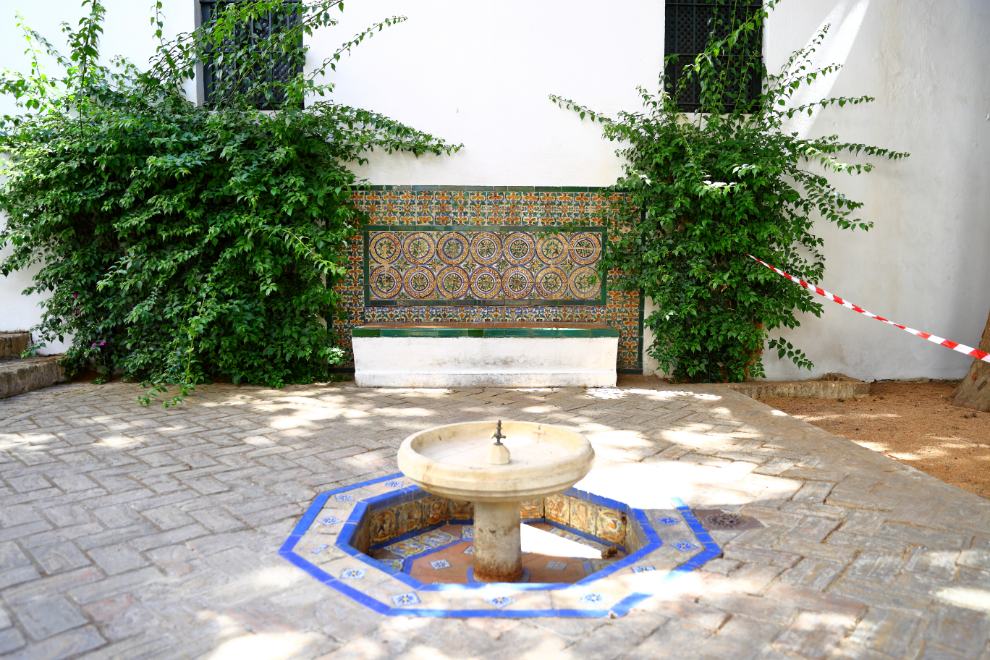
Walking today through the Santa Cruz district, among silent patios, narrow streets and whitewashed houses, means walking over the traces of one of Seville’s most complex and moving stories: that of the Jewish conversos.
Behind many seemingly peaceful façades, centuries of fear, hope, family pride and the need to survive remained hidden.
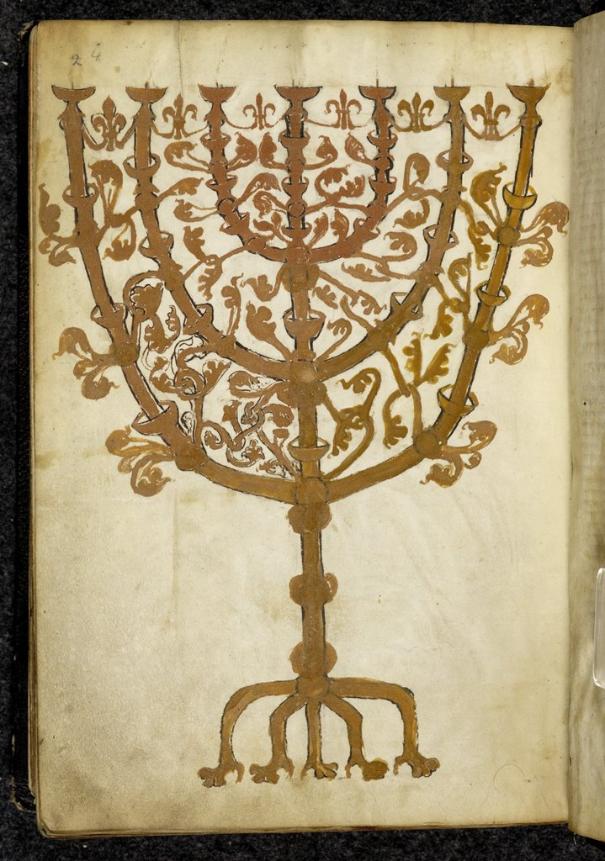
On our Jewish tour of Seville, we do not simply show monuments or explain historical dates. We try to convey the emotions of those families who lived between two worlds: forced to display a public faith while preserving, in the privacy of their homes, part of their beliefs, customs and memories. 🕍
💡 Key ideas about conversos in Seville
| ✝️ Conversion Many Jewish families accepted baptism in order to remain in Seville. |
🏠 The home as refuge The house became a space of intimacy and family memory. |
| ⚖️ Inquisitorial surveillance The Inquisition deeply marked the everyday life of conversos. |
🌙 Hidden identity Many Sephardic traditions survived discreetly for generations. |
🚪 The expulsion and the birth of a double life
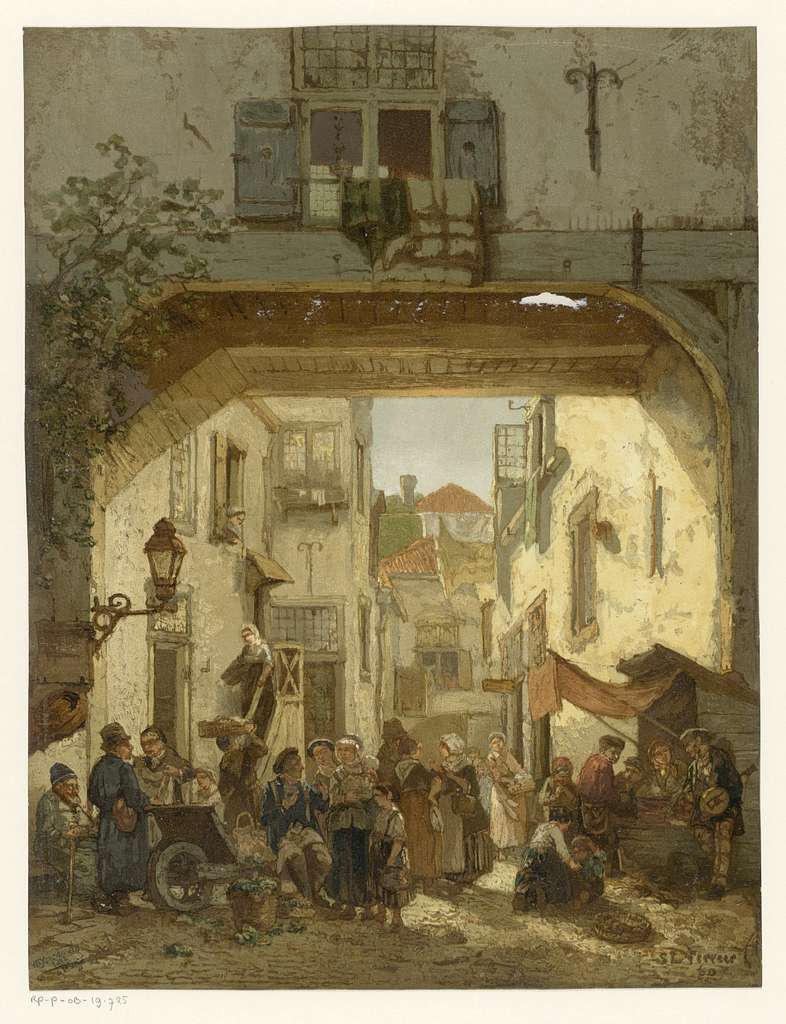
In 1492, the Catholic Monarchs decreed the expulsion of the Jews from Castile and Aragon. Many families left Seville forever. Others, unable to leave behind their city, businesses or roots, accepted conversion to Christianity.
Thus were born the so-called “conversos” or “New Christians”. But conversion did not mean forgetting.
Many of these men and women lived for generations trapped between two identities. In public, they attended Mass, adopted Christian names and tried to integrate into Sevillian society. In private, inside their homes, they continued to preserve traditions inherited from their ancestors. ✡️
The home then became something much deeper than a simple place to live: it was refuge, protection and memory.
🏘️ The houses of the conversos: architecture of silence
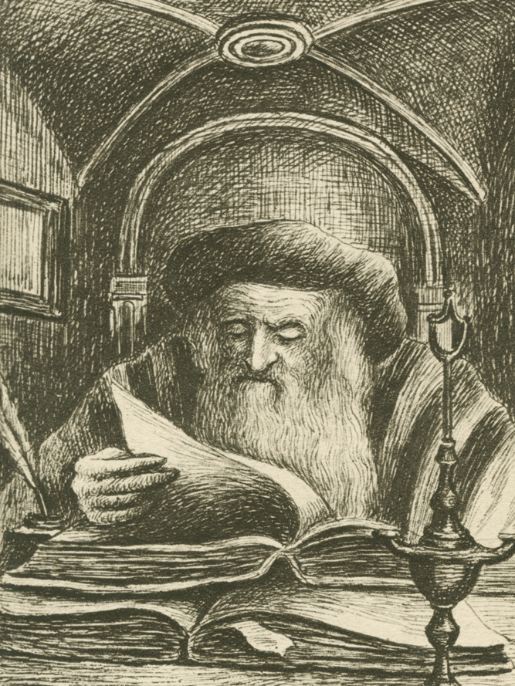
Historical research into the old houses of conversos in Seville reveals a fascinating reality. Many of these homes were designed to protect family intimacy and clearly separate the outside world from the private interior.
Behind discreet doors opened hidden patios, silent corridors and rooms removed from the gaze of others. Some spaces, especially the so-called “women’s quarters”, may have functioned as intimate refuges where certain religious practices could be maintained away from social control and the Inquisition.
The architecture reflected deeply human emotions:
- ⚠️ The fear of being discovered
- 🏛️ The need to appear fully Christian
- 💰 The desire to belong to Seville’s elite
- 🌍 The nostalgia for a lost identity
In many cases, converso families rented old properties that had once belonged to their own ancestors before the persecutions. They literally lived inside the memory of what they had been.
⚖️ The Inquisition and the weight of fear
Seville in the 16th century was one of the main stages of activity of the Spanish Inquisition. Social control was constant, and any suspicion could become an accusation.
A meal prepared on Saturday, a candle lit at a particular moment or certain family customs could raise suspicion of secretly Judaizing. 🕯️
For this reason, the daily life of many conversos was marked by caution and dissimulation.
⚠️ Everyday fears of a converso family
| 🕯️ Suspicious ritual A lit candle could generate suspicion. |
🍞 Food customs Some domestic practices were closely watched. |
| 👀 Neighbourhood surveillance Rumours could become denunciations. |
⚖️ Inquisitorial risk Trials, confiscations and public punishments. |
Even under such pressure, many families managed to prosper as merchants, physicians, notaries, intellectuals or administrators. The converso community formed an essential part of the wealthiest and most cosmopolitan Seville of the Renaissance.
🏘️ The Santa Cruz district: a setting full of memory
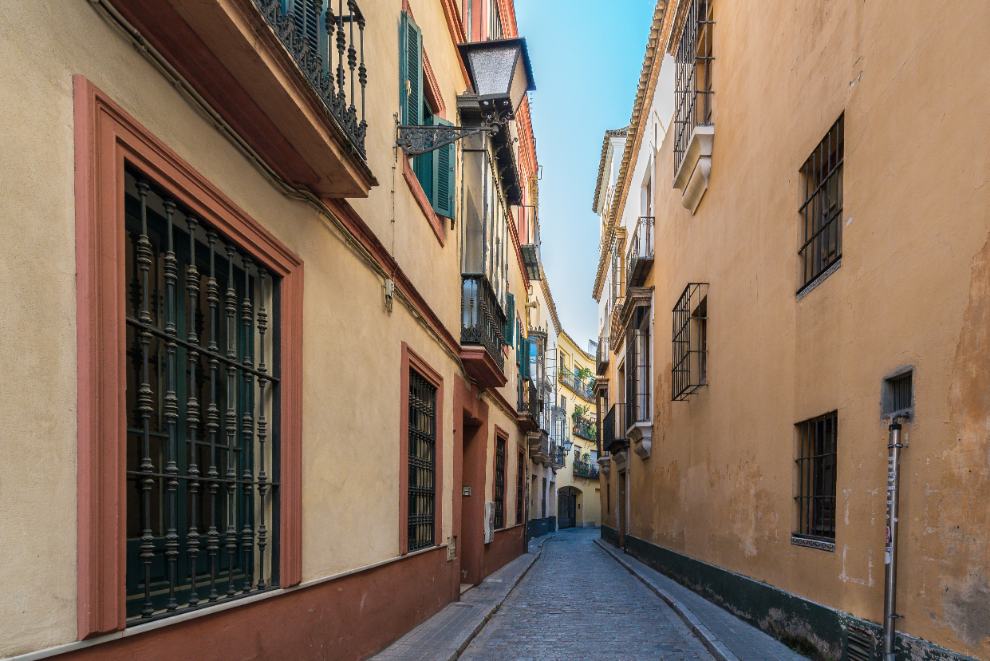
Today, the old Jewish quarter still preserves part of that atmosphere. Streets such as Cruces, Vida, Susona, Santa María la Blanca or Mateos Gago hide stories of families who lived between faith, fear and adaptation.
Every patio, every arch and every old house can be read as fragments of emotional memory.
When we lead our guided tours, this is precisely what we try to achieve: we want visitors not only to see buildings, but also to imagine lives.
🌙 How a converso house may have sounded at nightfall.
🚪 What a family might have felt when closing the door, knowing that outside there was the constant surveillance of the Inquisition.
🕍 How the home became the last space of freedom.
✨ A legacy that is still alive
The history of the conversos does not belong only to the past. It also speaks of identity, tolerance, integration and cultural survival.
It reminds us how people transform the spaces they inhabit according to their emotions and fears.
The Jewish legacy of Seville remains alive not only in its streets, but also in the human stories that we can still reconstruct.
And that is precisely the essence of our Jewish tour of Seville: to walk through the city understanding not only what happened, but also how those who lived through it must have felt. ✡️
📩 Tours about Converso and Sephardic Seville
We organise private routes through Seville’s Jewish Quarter, focused on the history of the conversos, Sephardic memory, the Inquisition and the hidden emotions of medieval and Renaissance Seville.
📧 Contact:
info@visitarsevilla.com
Leave a Comment