

Last update Thursday, 28 May, 2026
✡️ Jews and Power in Medieval Seville: Wealth, Influence and Controversy
On our Jewish Quarter tours in Seville, we often explain an aspect that surprises many visitors: the close relationship that existed for centuries between part of Seville’s Jewish community and Castilian political power.
The history of the Jews in medieval Seville cannot be understood only through persecution or religious conflict. It was also a story of economic influence, proximity to the royal court and participation in the administration of the kingdom.
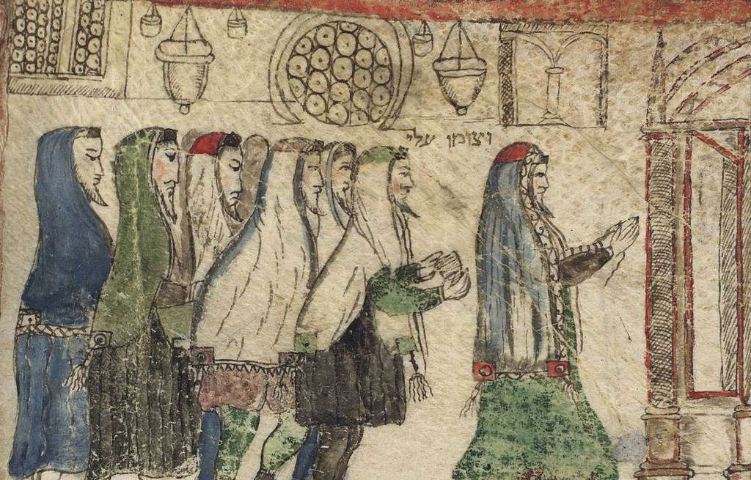
⚖️ It was a complex and often controversial relationship: monarchs needed certain Jewish financiers and administrators, while part of the Christian population viewed with suspicion the enormous power achieved by some Hebrew families.
💡 Key ideas about Jews and power in Seville
🏛️ Many Jews in Seville held key positions in the Castilian royal treasury.
💰 Some acted as treasurers, chief accountants, tax farmers and financial administrators.
👑 Kings especially valued their economic and administrative expertise.
⚠️ Their wealth and influence generated admiration, but also social tensions and hostility.
🔥 The political and religious crises of the 14th century eventually led to the tragedy of 1391.
🏛️ Seville: a strategic city for the Crown
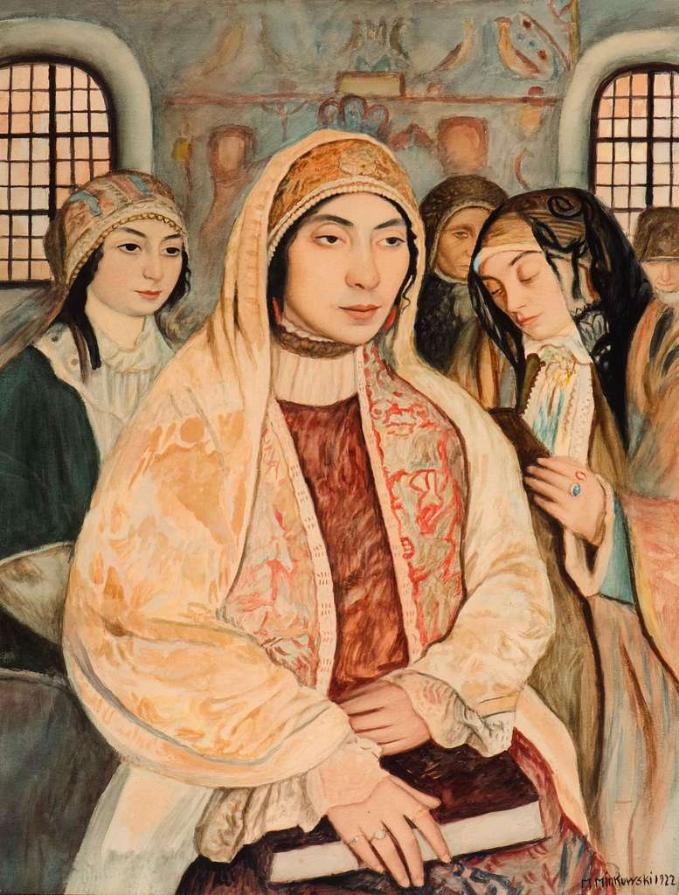
After the Christian conquest of Seville in 1248, the city became one of the great political and economic centres of Castile.
The Crown needed specialists capable of managing taxes, loans, supplies and royal finances. In this context, several Jewish families reached positions of enormous importance.
Many Jews in Seville served as:
- 💰 Royal treasurers
- 📜 Chief accountants
- 🏦 Tax farmers
- ⚖️ Financial administrators
- 👑 Trusted men of the monarchy
This closeness to power allowed certain families to achieve great wealth and enormous political influence.
✡️ The Abravanels: one of Seville’s great Jewish families
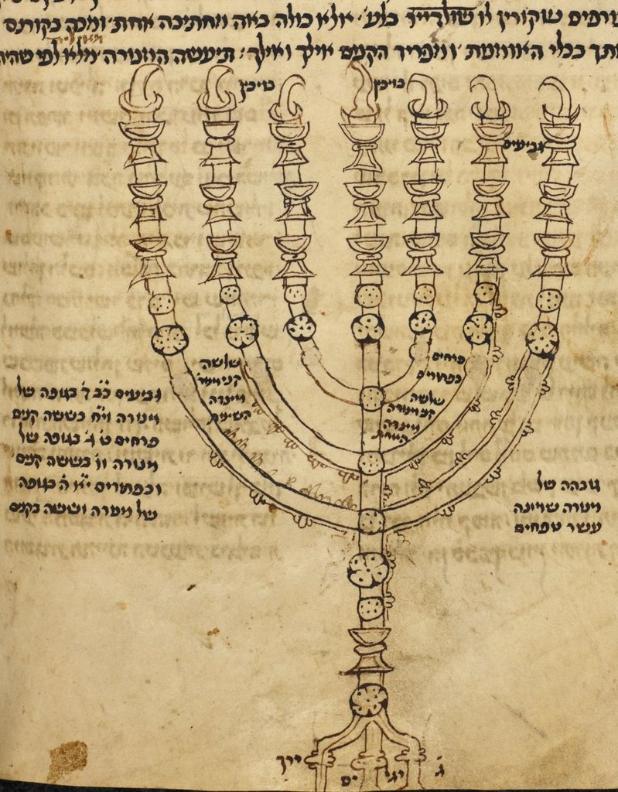
One of the best examples of this relationship between Judaism and power is the Abravanel family, one of the most important families in the medieval Sephardic world.
Already during the reign of Ferdinand IV, members of the family held financial positions of great importance for the Castilian Crown.
Later, the figure of Don Samuel Abravanel became especially prominent. Born in Seville, he later converted to Christianity under the name Juan Sánchez de Sevilla.
Samuel Abravanel became:
- 📜 Chief accountant of the king
- 💰 Chief treasurer in Andalusia
- 👑 Treasurer of the queen
Medieval sources highlight both his wealth and his intelligence and intellectual preparation. Professor Isabel Montes Romero-Camacho presents him as one of the great models of the Sevillian converso before 1391.
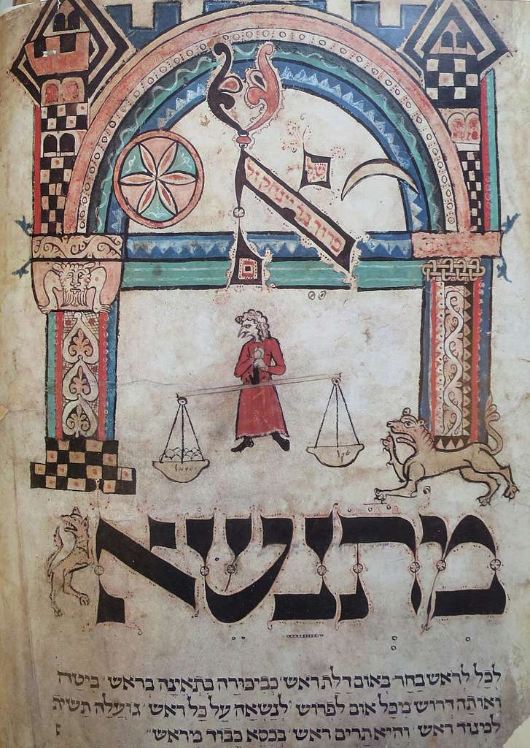
💰 An admired… and also hated elite
On our tours, we often explain that this relationship between the Crown and certain Jewish families was always ambivalent.
On the one hand, kings needed these men for their financial and administrative expertise. But at the same time, part of Christian society viewed with enormous distrust the economic rise of some Jews.
The wealth of certain Hebrew financiers generated:
- ⚖️ Accusations of privilege
- 💸 Popular resentment
- 🏰 Political conflicts
- ⛪ Anti-Jewish preaching
- 🔥 A growing climate of hostility
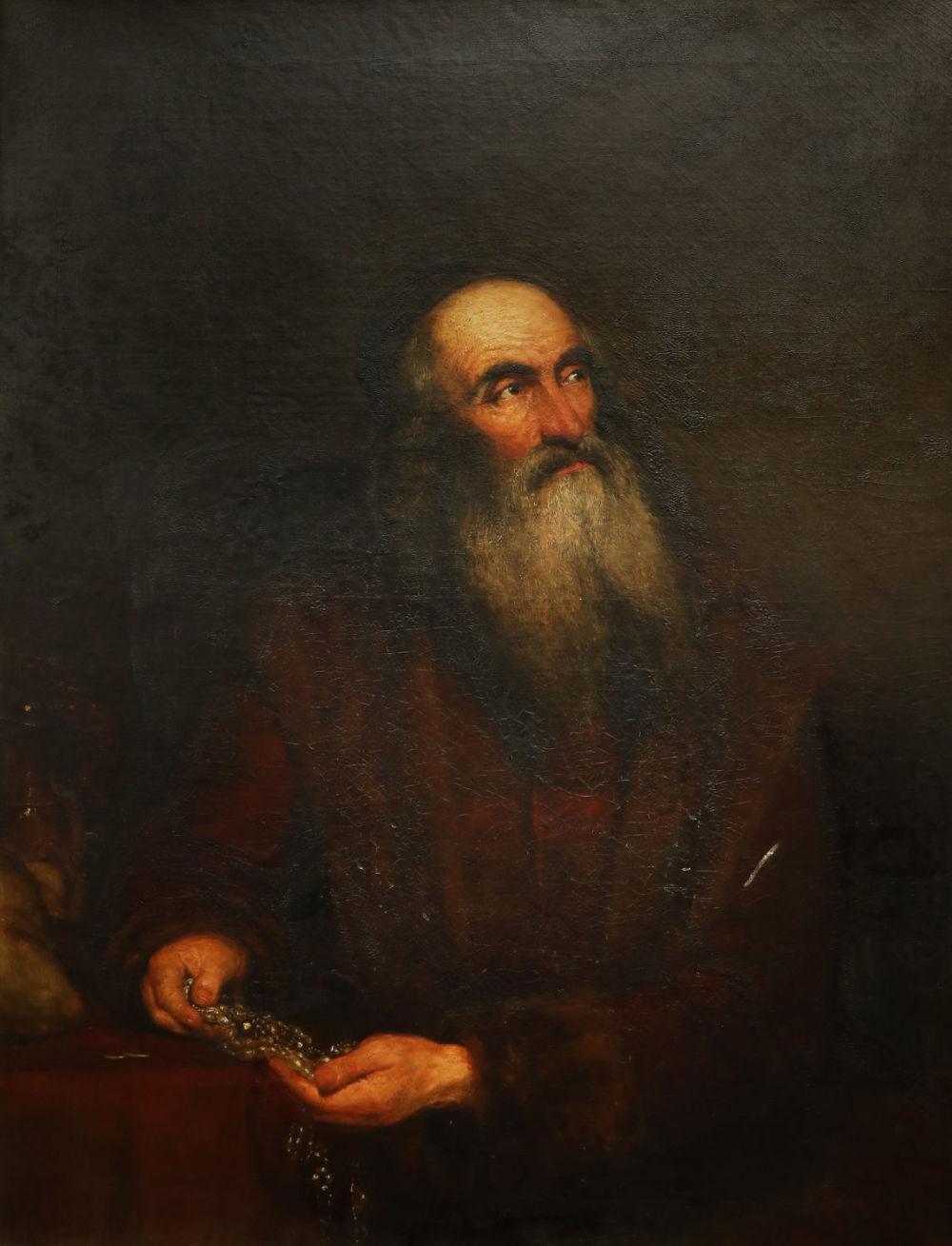
A particularly representative case was that of Yusaph Pichón, chief accountant of Henry II, whose enormous fortune aroused suspicion both among Christians and even within sectors of the Jewish community itself.
After his death, part of his properties in Seville’s Jewish Quarter passed into the hands of Samuel Abravanel.
⚔️ The crisis of the 14th century and the road to 1391
During the 14th century, the situation progressively worsened.
Castilian civil wars, economic crises, epidemics and religious tensions fuelled an increasingly hostile climate against the Jewish aljamas.
In Seville, an especially wealthy and strategic city, these tensions reached enormous intensity. Many Jews linked to political power became exposed to social and political attacks.
Eventually, everything culminated in the terrible events of 1391, with assaults on the Jewish Quarter, murders, forced conversions and the practical destruction of much of Seville’s Hebrew community.
For this reason, figures such as Samuel Abravanel / Juan Sánchez de Sevilla are so interesting in our tours: they represent the transition between the great medieval Sephardic Seville and the birth of the converso phenomenon in the city.

🏘️ The Jewish Seville that can still be explored today
Although much of that Seville disappeared after the persecutions and later transformations, it is still possible to explore places connected with that world:
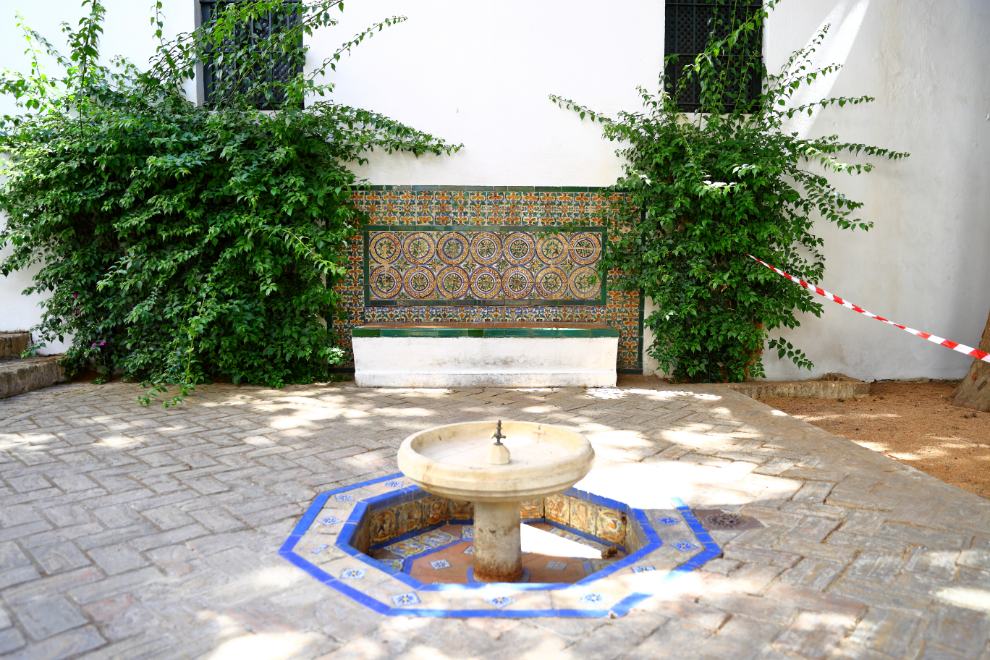
- 🏘️ The old Jewish Quarter of Santa Cruz
- 🕍 Former synagogues transformed into churches
- 📍 Streets linked to powerful Hebrew families
- 🏛️ Areas close to the Alcázar and royal administration
- 🌙 Corners filled with Sephardic memory and legends
On our tours, we try precisely to reconstruct that medieval Seville where merchants, rabbis, translators, courtiers, financiers and conversos coexisted, showing how the history of the city was deeply shaped by the rich, complex and often controversial relationship between Jews and Castilian power.
📩 Tours about Seville’s Jewish Quarter and Sephardic history
If you would like to join a guided tour about Jewish Seville, the history of the Abravanel family, the conversos or the relationship between Jews and power in medieval Castile, we would be delighted to help you.
Email: info@visitarsevilla.com
Leave a Comment