

Last update Tuesday, 9 June, 2026
🕎 La Susona of Seville: History and Legend from the Jewish Quarter
The history of Seville’s Jewish Quarter is filled with fascinating characters, but few have left as deep a mark on local memory as La Susona. Her story lies somewhere between historical reality, oral tradition, and legend, making her one of the most captivating figures associated with medieval Seville.
Her tale takes us back to a city where Christians, Jews, and Muslims lived side by side, and where religious tensions and political change shaped the lives of entire communities.
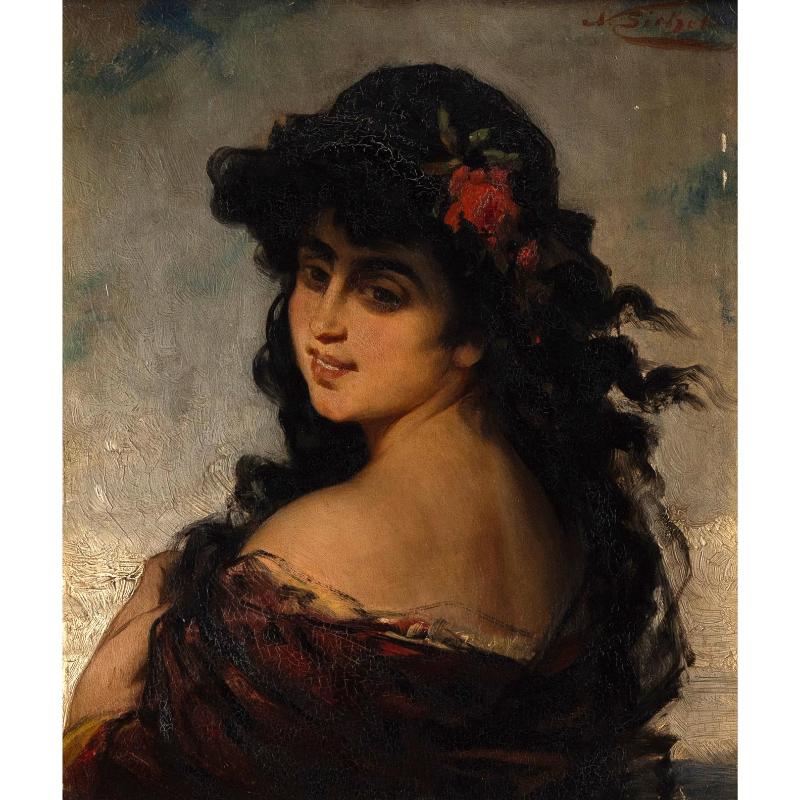
✨ La Susona: An Essential Legend of Jewish Seville
Discover the story of La Susona, a young woman linked to one of the most prominent Jewish families of fifteenth-century Seville and the protagonist of one of the city’s most enduring legends.
A story of love, fear, conversion, family conflict, and urban memory, closely connected to the streets of today’s Santa Cruz district and the Jewish heritage of Seville.
📲 WhatsApp: Contact us on WhatsApp
📧 Email: info@visitarsevilla.com
👩 Who Was La Susona?
According to Sevillian tradition, La Susona was the daughter of Diego Susón, one of the most influential members of Seville’s Jewish community during the fifteenth century. Her name became associated with a dramatic story set during a period of growing religious tension that preceded the expulsion of the Jews from Spain in 1492.
Legend describes Susona as a beautiful young woman from a wealthy and respected Jewish family. Her life was forever changed by a decision that, according to tradition, had far-reaching consequences for both her family and the Jewish community of Seville.
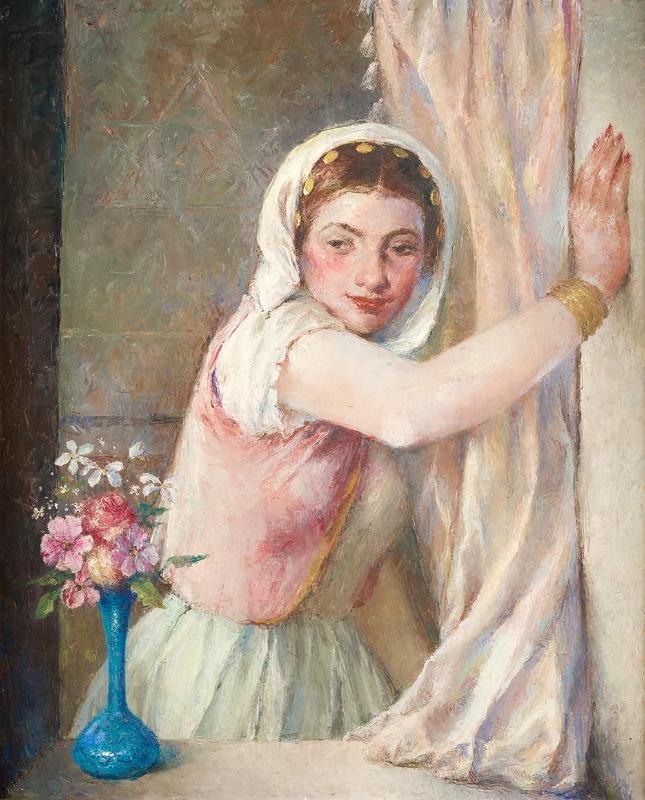
🏘️ Jewish Seville in Susona’s Time
To understand the significance of her story, it is important to imagine late medieval Seville. At that time, the city was home to one of the largest and most influential Jewish communities in the Kingdom of Castile.
The Jewish Quarter occupied much of what are today the neighborhoods of Santa Cruz and San Bartolomé. Its narrow streets, courtyards, workshops, and religious spaces formed a vibrant urban community that played a key role in the economic and cultural life of the city.
Following the anti-Jewish riots of 1391, many Jewish families converted to Christianity, whether by conviction, pressure, or necessity. This atmosphere of suspicion, conversion, and uncertainty forms the backdrop to the legend of La Susona.
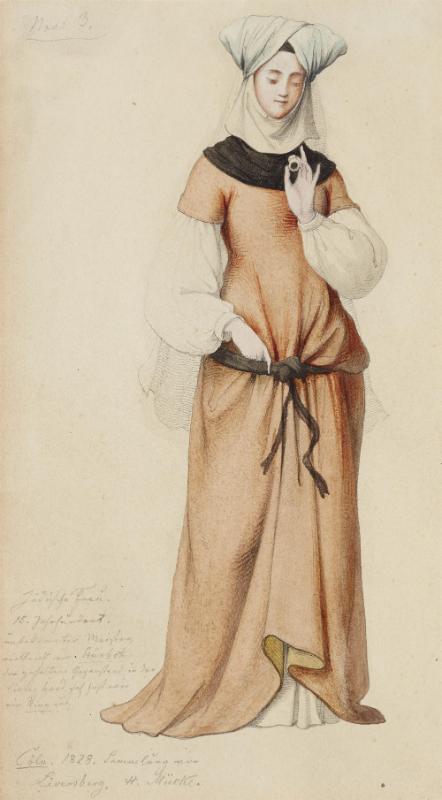
❤️ A Story of Love and Conflict
The best-known version of the story tells of Susona’s relationship with a Christian nobleman. During a private conversation, she allegedly revealed information about a conspiracy involving members of the Jewish community.
The nobleman informed the authorities, and the information led to the arrest and punishment of those involved. According to the legend, Susona’s own father, Diego Susón, was among those affected.
As the story evolved through the centuries, Susona became a tragic figure caught between personal affection, family loyalty, fear, and the religious divisions of her time.
⚖️ Between History and Legend
Like many medieval stories, it is difficult to determine where historical fact ends and legend begins. The tale of La Susona was repeated and embellished over generations until it became one of the most famous legends associated with the Jewish Quarter of Seville.
More than a historical biography, Susona became a symbol of a period in which religious identity could determine a person’s future, reputation, and place within society.
Her story is often linked to the wider experience of Jewish converts, known as conversos, whose lives were shaped by the challenges of navigating a rapidly changing religious landscape.
🕯️ A Symbol of Jewish Seville
The importance of La Susona lies not only in the details of her story but also in what her legend reveals about fifteenth-century Seville.
Through her, we encounter themes that defined the city’s history: coexistence and conflict between communities, religious intolerance, family loyalty, conversion, and the gradual disappearance of Jewish life from the public landscape.
For this reason, La Susona remains one of the most frequently mentioned figures in tours of Seville’s historic Jewish Quarter. Her story serves as a gateway to understanding a much broader chapter of the city’s past.
📚 A Legend That Still Lives On
For centuries, historians, writers, and local storytellers have kept the memory of La Susona alive. Her story forms part of that unique Seville where documented history, popular tradition, and legend intertwine.
Walking through the old Jewish Quarter today, visitors discover that such legends are more than simple anecdotes. They offer valuable insight into the fears, hopes, beliefs, and experiences of those who lived in medieval Seville.
La Susona, with all her complexities and contradictions, continues to be one of the most fascinating figures connected to the Jewish heritage of Seville.
✨ Key Facts About La Susona
👩 La Susona is one of the most famous figures associated with Seville’s Jewish Quarter.
🕎 Tradition identifies her as the daughter of Diego Susón, a prominent member of the Jewish community.
❤️ Her story combines love, betrayal, family conflict, and religious tension.
🏘️ Her memory is closely linked to the historic neighborhoods of Santa Cruz and San Bartolomé.
📚 Her legend provides valuable insight into the history of Jews and conversos in medieval Seville.
🚶 Guided Tours of Jewish Seville
On our Jewish Seville guided tours, we explore the most significant sites of the former Jewish Quarter and explain the stories, legends, and historical events that shaped this unique part of the city, including the fascinating tale of La Susona.
A journey through the streets, traditions, and memories of a community that played a fundamental role in the history of Seville.
Leave a Comment